Pretty privilege: what it means and what the research says
Pretty privilege means the advantages people get from being seen as attractive: more trust, better first impressions and sometimes better pay. Psychologists call the bias behind it the attractiveness halo effect. Studies since 1972 show it is real but moderate. It is strongest for judgments of social skills and close to zero for honesty and kindness.
Lookist scores one photo and shows the parts you can change, like skin, hair and the photo setup.
Download Lookist for iPhoneWhat does pretty privilege mean?
Pretty privilege is the idea that people who match their society's beauty standards get social, economic and even political advantages because of their looks. Strangers are friendlier, teachers and bosses give the benefit of the doubt, and first impressions start in your favor.
The phrase is new. The idea is not. Psychologists have studied it since the 1970s under names like the physical attractiveness stereotype, the 'beautiful is good' effect and the attractiveness halo effect. Wikipedia's article on the stereotype uses 'pretty privilege' as the popular name for the benefits it gives.
Online, the phrase often comes with personal stories about being treated better or worse after a change in looks. Stories are real experiences, but they are not data. The rest of this page looks at what controlled studies found.
What is the halo effect?
The halo effect is a bias where a good impression in one area spills into other areas. Psychologist Edward Thorndike coined the term. If you like how something looks, you tend to assume it is also good in ways you cannot see.
With faces, it works like this. People see an attractive face and, without thinking, guess that the person is also kind, smart, sociable and successful. Nothing about a face proves those things, but the guess happens fast.
The first formal study came in 1972. Karen Dion, Ellen Berscheid and Elaine Walster showed university students photos of people their age who were rated attractive, average or unattractive. Students judged the attractive people as more socially desirable and expected them to have better jobs, marriages and lives. Parenting was the one trait where looks made no difference. The paper's title, 'What is beautiful is good', named the effect.
Is pretty privilege real?
Yes, but it is smaller and narrower than the TikTok version suggests. Two large reviews give the clearest picture.
In 1991, Alice Eagly and colleagues combined the results of many studies of the stereotype. People did rate attractive people more favorably, but the average effect was moderate and varied a lot between studies. The gap was largest for social competence, like being outgoing and popular. It was in the middle for traits like intelligence and adjustment. It was near zero for integrity and concern for others. People do not assume good-looking people are more honest or kinder.
In 2000, Judith Langlois and colleagues ran 11 meta-analyses. They found that raters agree about who is attractive, within and across cultures. Attractive children and adults were judged more positively and treated more positively, even by people who knew them. The review set out to test common sayings that looks are not important in life, and its results went against them.
| What people judge | Effect of attractiveness |
|---|---|
| Social competence (sociable, popular, outgoing) | Largest |
| Potency, adjustment and intellectual competence | Intermediate |
| Integrity and concern for others | Near zero |
Does pretty privilege affect pay and jobs?
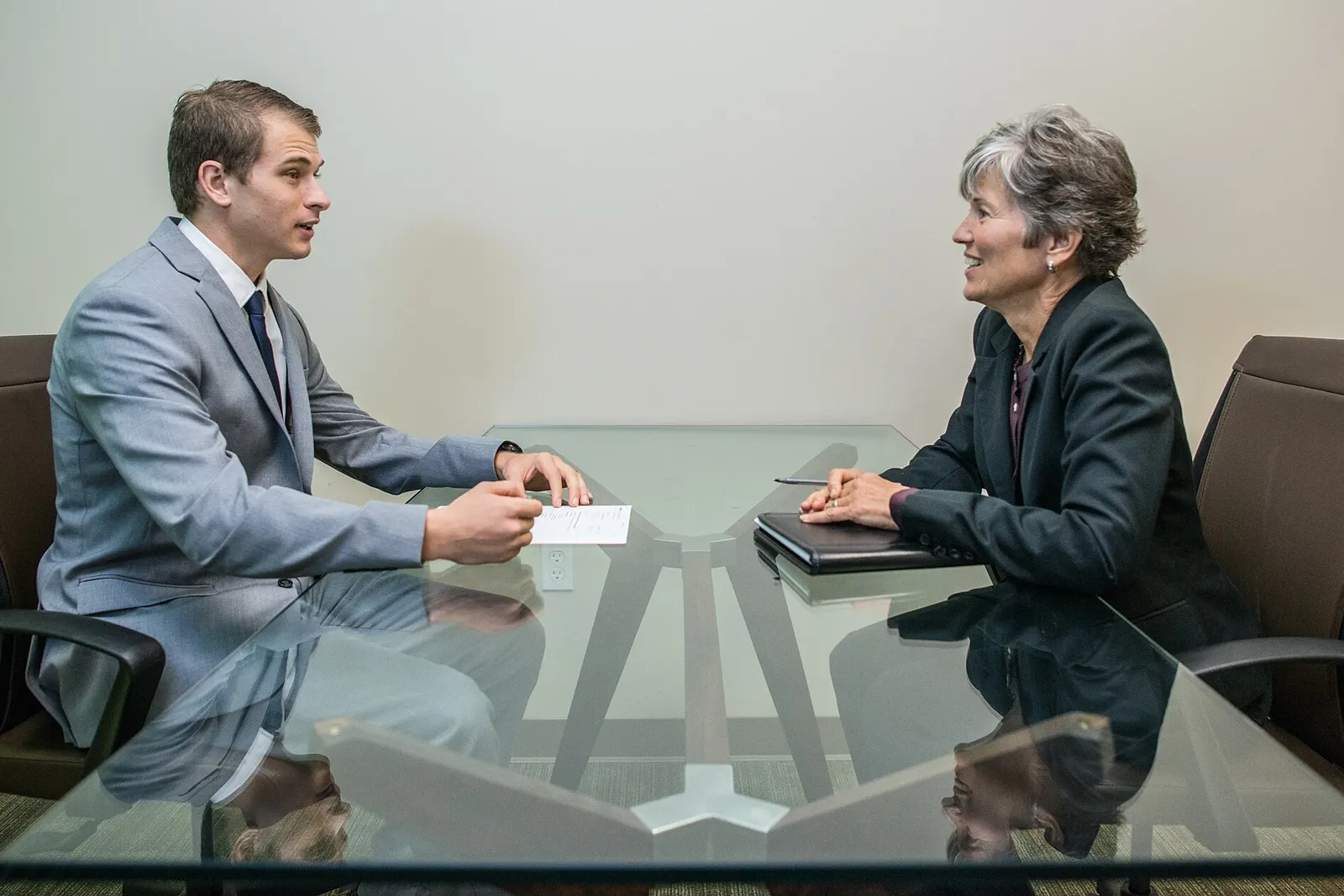
Some studies say yes. In a 1993 paper, economists Daniel Hamermesh and Jeff Biddle used US and Canadian surveys in which interviewers rated each person's looks. Holding other factors constant, people rated plain earned less than people of average looks, who earned less than people rated good-looking.
The 'plainness penalty' was 5% to 10%, a little larger than the premium for beauty. The effects were slightly larger for men than for women. Better-looking people were more likely to work in jobs where looks might matter, but the pay gap held across most types of work.
These surveys are from the 1970s and 1980s, and pay gaps are hard to pin on one cause. The study shows a link in that data, not a fixed rule for every job today.

Source: Hamermesh and Biddle, 1993: Beauty and the Labor Market (NBER Working Paper 4518)
Does pretty privilege show up in court or in elections?
In mock trials, yes, with exceptions. Wikipedia summarizes a meta-analysis by Ronald Mazzella and Alan Feingold: mock jurors were less likely to find an attractive defendant guilty, and for some crimes they recommended lighter sentences. The effect reversed for crimes where looks could be part of the crime, such as swindling. Attractive defendants then got harsher sentences.
Faces also seem to sway votes, though the trait here is competence, not beauty. In a 2005 study in Science, people saw the faces of US congressional candidates for about 1 second and picked who looked more competent. Those snap judgments predicted the winners better than chance, for example in 68.8% of the 2004 Senate races.
What are the limits of pretty privilege?
The research has clear limits, and they matter as much as the headline.
- The effect is moderate on average, not huge, and it varies a lot from study to study.
- It depends on what else people know. Eagly and colleagues found that the strength of the stereotype changed when people had other information about the person.
- It does not cover character. People do not assume attractive people are more honest or caring.
- It can backfire. In the mock trial studies, looks hurt defendants when the crime involved using charm.
- Most studies use photos of strangers. Real life adds voice, humor, skill and how you treat people.
Source: Eagly and colleagues, 1991: What is beautiful is good, but... (Psychological Bulletin, via OpenAlex)
Is there a pretty privilege scale?
No. 'Pretty privilege scale' and 'pretty scale' are search terms and TikTok formats, not a research tool. Studies measure attractiveness by asking groups of raters to score photos, then compare treatment between groups. Nobody has built a scale that tells one person how much 'privilege' they have.
Looksmaxxing forums have their own ranking, the PSL scale, which sorts faces into labels like normie, chadlite and Chad. Wikipedia notes it is considered pseudoscientific. Face rating apps and web tools give a number for one photo, which changes with light, distance and angle. None of these measure how people will treat you.
What can you change about how others see you?
Raters agree a lot about attractiveness, so it is fair to ask what moves it. Bone structure in adults does not change without surgery. But many things that shape a first impression are under your control.
Skin, hair, grooming, sleep, fitness, posture and clothes that fit all change how you look in person and in photos. So does the photo itself: soft light and a camera at arm's length or farther make a bigger difference than most people expect.
- Skin: a gentle cleanser, moisturizer and sunscreen every day.
- Hair: a cut that suits your face shape, kept fresh.
- Grooming: tidy brows, a clean beard line or a clean shave.
- Body: regular activity and enough sleep.
- Photos: soft window light, eye-level camera, no close-up selfies.
What if pretty privilege makes you feel worse about your looks?
Talk about pretty privilege can make it sound like your face decides your life. The research does not say that. The effects are moderate on average, and they barely touch how honest or kind people think you are.
If you check one feature for hours, avoid photos or people, or feel your looks ruin everything, that is worth taking seriously. The NHS describes body dysmorphic disorder, which is most common in teenagers and young adults and can get better with treatment. Talk to a doctor or someone you trust. In the US, you can call or text 988 to reach the 988 Lifeline.
Where Lookist fits
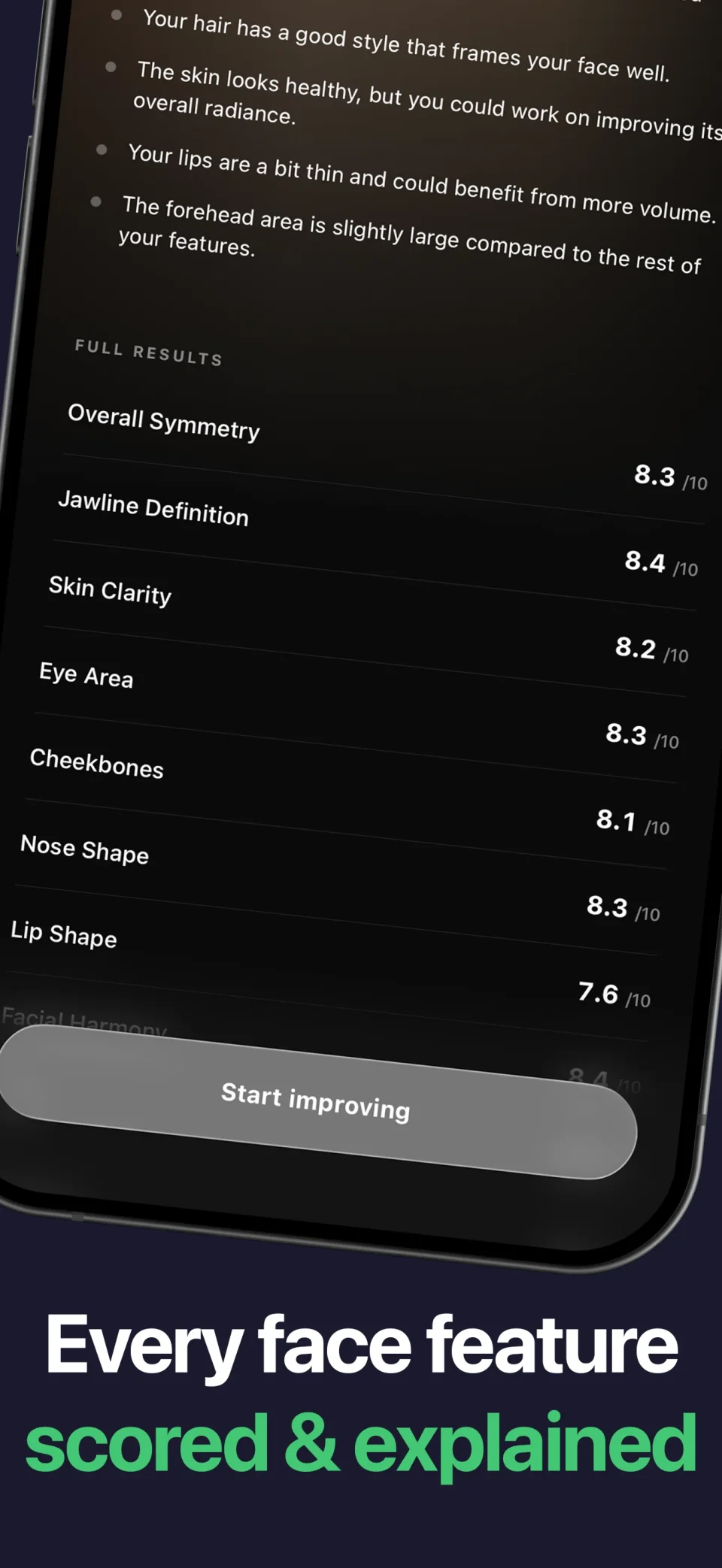
Lookist cannot measure privilege, and no app can. It reads one front photo and gives an overall score out of 10 and 15 feature scores, such as skin clarity, skin tone, hair and symmetry, with 3 to 7 written notes on what the scan noticed.
The useful part is the split between what you can and cannot change. Skin and hair scores point to habits. The glow-up plan turns them into daily tasks, and the skin analysis shows which skin score is lowest.
Frequently asked questions
What is pretty privilege?
Pretty privilege is the set of advantages people get from being seen as attractive, such as better first impressions, more trust and sometimes better pay. Psychologists call the bias behind it the physical attractiveness stereotype or the attractiveness halo effect, and have studied it since 1972.
Is pretty privilege real?
Yes, but it is moderate. A 1991 review found people rate attractive people more favorably on average, most of all for social skills, and almost not at all for honesty or kindness. A 2000 review of 11 meta-analyses found attractive people are also treated more positively, even by people who know them.
What is the halo effect in attractiveness?
The attractiveness halo effect is the habit of assuming that good-looking people also have other good traits, like being sociable, smart or successful. Edward Thorndike coined the term halo effect. The 1972 study 'What is beautiful is good' was the first to test it for faces.
Does pretty privilege affect how much you earn?
Some studies say yes. In a 1993 paper using US and Canadian survey data, economists Daniel Hamermesh and Jeff Biddle found that people rated plain earned 5% to 10% less than people of average looks. The premium for beauty was slightly smaller than that penalty.
What is the pretty privilege scale?
There is no real pretty privilege scale. The phrase is a search term and a TikTok format. Researchers measure attractiveness by having groups of people rate photos. Forum rankings like the PSL scale and face rating apps give a number for one photo, which does not measure how people will treat you.
Do men have pretty privilege too?
Yes. The studies include men and women. In the 1993 pay study by Hamermesh and Biddle, the effects of looks on earnings were slightly larger for men than for women. The 1972 'What is beautiful is good' study used photos of both men and women.
Sources and product details
- Wikipedia: Physical attractiveness stereotype (checked November 7, 2026)
- Wikipedia: Halo effect (checked November 7, 2026)
- Dion, Berscheid and Walster, 1972: What is beautiful is good (Journal of Personality and Social Psychology, PubMed) (checked November 7, 2026)
- Eagly and colleagues, 1991: What is beautiful is good, but... (Psychological Bulletin, via OpenAlex) (checked November 7, 2026)
- Langlois and colleagues, 2000: Maxims or myths of beauty? A meta-analytic and theoretical review (Psychological Bulletin, PubMed) (checked November 7, 2026)
- Hamermesh and Biddle, 1993: Beauty and the Labor Market (NBER Working Paper 4518) (checked November 7, 2026)
- Todorov and colleagues, 2005: Inferences of competence from faces predict election outcomes (Science, PubMed) (checked November 7, 2026)
- Wikipedia: Looksmaxxing (the PSL forums and the PSL scale) (checked November 7, 2026)
- NHS: Body dysmorphic disorder (BDD) (checked November 7, 2026)
- 988 Lifeline (checked November 7, 2026)
- Lookist on the App Store (checked November 7, 2026)
For photo handling and account controls, read our privacy policy. For an issue with Lookist, visit support.
Put your report to use
Lookist scores one photo and shows the parts you can change, like skin, hair and the photo setup.
Download Lookist for iPhone