Looksmaxxing eye area: how to improve your eye area, and what does not change
In looksmaxxing, the eye area means the eyes, lids, brows and under eyes together. You can change puffiness and dark circles caused by short sleep, salt, alcohol, allergies and eye rubbing, slow down sun and smoking damage, and groom your brows. Eye shape, canthal tilt, how deep-set your eyes are and the bone under them do not change without surgery.
Lookist scores your eyes and eye brightness as 2 of 15 features and adds sleep reminders to your daily plan.
Download Lookist for iPhoneWhat does eye area mean in looksmaxxing?
On looksmaxxing forums, eye area is shorthand for everything around the eyes: the eyes, the upper and lower lids, the brows and the skin under the eyes. Forum users rate it with their own terms, such as hunter eyes, canthal tilt, upper eyelid exposure (how much lid shows above the eye when it is open) and under-eye support. None of these are medical diagnoses.
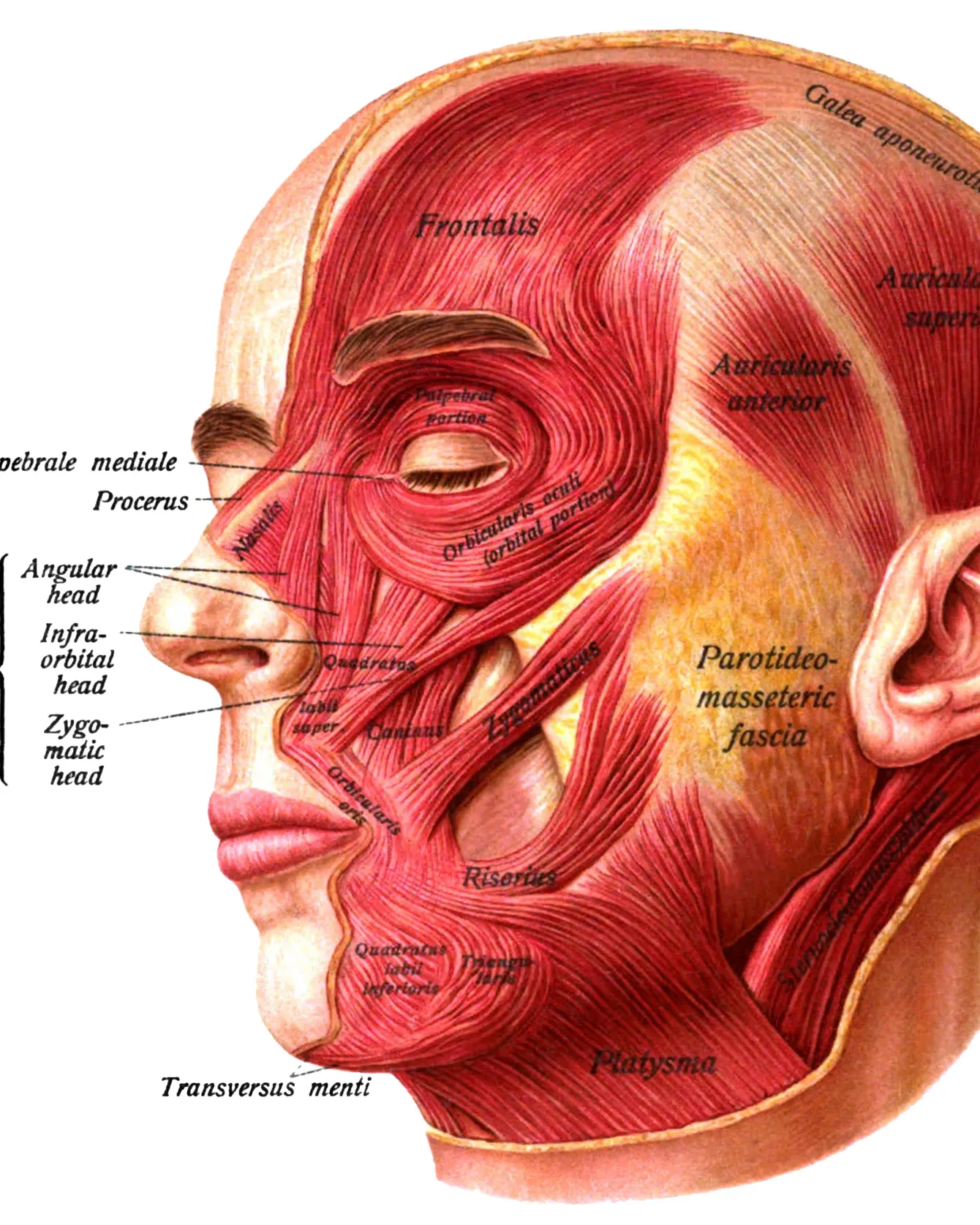
Doctors use different words for the same parts. Reviews of dark circles describe the lower eyelid skin, the ring muscle around the eye (orbicularis oculi) and the tear trough, the groove that runs from the inner corner of the eye down the cheek. Shadows in that groove make the area look darker and more tired.

What can you change about your eye area?
The American Academy of Ophthalmology and 3 dermatology reviews list the same main causes of a tired eye area. Some you can change in days, some you can slow down, and some are inherited.
| Cause | What it looks like | What helps |
|---|---|---|
| Short sleep | Hanging lids, red and swollen eyes, darker circles | 7 to 9 hours of sleep |
| Fluid retention | Puffy lower lids in the morning, after salty food or alcohol | Less salt and fewer drinks before bed, head raised, a cool compress |
| Allergies and rubbing | Itchy, red, watery eyes, puffy lids, darker skin over time | Avoid triggers, allergy treatment, stop rubbing |
| Sun | More pigment under the eyes | Sun protection |
| Smoking | Thinner skin with more visible blood vessels | Stop smoking |
| Aging | Fat shifts forward into the lower lid, hollows and shadows | Slows with sun care. Bags from fat need a doctor's treatment |
| Inherited pigment or shape | Dark circles since childhood, deep-set or prominent eyes | Concealer. A dermatologist for pigment |
Source: American Academy of Ophthalmology: how to get rid of bags under the eyes
What causes bags under the eyes?
The American Academy of Ophthalmology says eye bags come from loose skin, pockets of fat, pigment and natural shadows. With age, the tissues around the eye weaken and sag, so fat moves forward into the lower lids and fluid can pool there. Lack of sleep, not drinking enough water, alcohol, salty food and family history add to it.
It also says eye bags are usually harmless, even when they make you look tired. Bags that came with age or that run in your family are mostly fat and skin, so habits make them smaller in the morning but do not remove them. Puffiness that comes and goes is mostly fluid, and that is the part you can change.
Source: American Academy of Ophthalmology: how to get rid of bags under the eyes
How to reduce puffy eyes in the morning
These steps come from the American Academy of Ophthalmology's own list for puffiness caused by fluid. They work on puffiness, not on fat.
- Wet a clean washcloth with cool water and hold it gently around your eyes for a few minutes, sitting upright.
- Sleep 7 to 9 hours.
- Raise your head slightly at night with an extra pillow, so fluid does not settle around the eyes.
- Drink less in the hour before bed and cut down on salt.
- Treat allergies and stop rubbing your eyes.
- Check your bedroom: feather pillows, a pet on the bed and skin products used just before sleep can all set off an allergic reaction.
Source: American Academy of Ophthalmology: how to get rid of bags under the eyes
Why do I have dark circles under my eyes?
Dark circles have several causes, and most people have more than one. A 2009 review lists extra pigment, thin and see-through lower lid skin over the muscle, and shadows from loose skin and the tear trough. A 2016 review adds pigment left after eczema or allergic skin reactions, fluid around the eyes and extra blood vessels.
The American Academy of Ophthalmology adds facts that explain why sleep alone does not fix them for many people:
- Dark circles are often inherited.
- People with darker skin tones are more likely to have them.
- Hay fever and other allergies can cause them.
- Sun makes some people's skin produce more melanin under the eyes.
- With age, skin thins and loses fat and collagen, so the blood vessels under the eyes show more.
- Many 'dark circles' after a bad night are really shadows cast by puffy lids.
Can allergies make your eye area look worse?
Yes. The NHS lists itchy, red and watery eyes among the common symptoms of allergic rhinitis, along with sneezing and a blocked nose. Common triggers are pollen, house dust mites, pet dander and mould. Rubbing itchy eyes adds to puffiness, and 2 of the dark circle reviews list pigment left after allergic skin reactions as a cause of darker skin under the eyes.
The NHS says you can often treat it yourself by avoiding triggers and asking a pharmacist about medicines such as steroid nasal sprays. See a doctor if the symptoms get worse or affect your sleep, which also shows in the eye area.
Source: NHS: allergic rhinitis
Does sleep improve your eye area?
It does, and other people notice. In a 2013 study at Karolinska Institutet, 40 people rated photos of the same faces after normal sleep and after 31 hours awake. The tired faces had more hanging lids, redder and more swollen eyes, darker circles, paler skin and more droopy mouth corners. Those cues made the faces look tired and sad.
Our guide on how to be more attractive covers the related studies on sleep and attractiveness.
How do brows change the eye area?
Brows frame the eyes, and they are the fastest part of the eye area to change. Remove stray hairs between the brows and under the arch, trim long hairs, and keep the natural shape. Over-plucking the lower edge raises the brow line and opens the eye, which is the opposite of the low, straight brow forums call a hunter look.
If one brow sits higher, even out the tails rather than the whole brow. Our hunter eyes guide covers brows, posture and photo angle in more detail.

How do sun and smoking affect the skin around the eyes?
The American Academy of Ophthalmology says smoking speeds up the loss of collagen, the protein that keeps skin firm, so the thin skin under the eyes gets thinner and shows more blood vessels. Sun makes some people produce more pigment there. Avoiding sun, treating allergies and not smoking are the 3 habits it names for dark circles.
The American Academy of Dermatology recommends a broad-spectrum sunscreen of SPF 30 or higher. Use one that is gentle enough for the eye area, and see our simple skincare routine for the rest.
Source: American Academy of Dermatology: how to select a sunscreen
What does not change your eye area?
Bone and the shape of the lids set most of what forums rate: how deep-set the eyes are, the canthal tilt, how much upper lid shows and how much cheekbone sits under the eye. Habits do not move bone in adults.
Eye exercises, squint drills and tape on the eye corners do not change those structures. Mewing videos sometimes claim to change the eye area, with no clinical evidence (see our mewing guide). Bonesmashing, hitting the face to build bone, is described on looksmaxxing forums. Wikipedia notes that sources label it as misinformation, and it risks fractures and eye injury.
Source: Wikipedia: looksmaxxing
Do eye creams, fillers or surgery work?
For pigment, the 2016 review lists creams such as hydroquinone, kojic acid, azelaic acid and retinoic acid, plus chemical peels, lasers and surgery. It also notes that most of these were tested for melasma, another pigment condition, rather than for dark circles. Its advice is to find the main cause first and treat that. A dermatologist can tell which type you have.
For bags and hollows, the American Academy of Ophthalmology lists laser resurfacing, chemical peels, fillers and eyelid surgery (blepharoplasty). Under-eye fillers and fat grafts, which forums call under-eye support work, are medical procedures. The American Society of Plastic Surgeons lists swelling, scarring, dry eyes and trouble closing the eyes among the risks of eyelid surgery. Talk to a board-certified ophthalmologist, oculoplastic surgeon or plastic surgeon, and get more than one opinion.
Concealer is the quick fix the American Academy of Ophthalmology names for shadows. It works on the day and has no risk.
Source: American Society of Plastic Surgeons: eyelid surgery risks and safety
When should you see a doctor about your eyes?
The American Academy of Ophthalmology says to see an ophthalmologist if swelling around the eye is painful, itchy, red or does not go away. MedlinePlus lists other eyelid problems that need a doctor:
- A red, painful lump on the lid, which can be a stye.
- Red, swollen skin around the eye with fever or pain. An infection that spreads behind the eye needs care right away.
- A lid that droops more than the other or keeps getting lower.
- A new lump or growth on the lid, or one that changes. The most common eyelid cancer, basal cell carcinoma, is often on the lower lid.
- Blurry vision, or a feeling that something is stuck in the eye.
Source: MedlinePlus (US National Library of Medicine): eyelid disorders
How Lookist reads your eye area
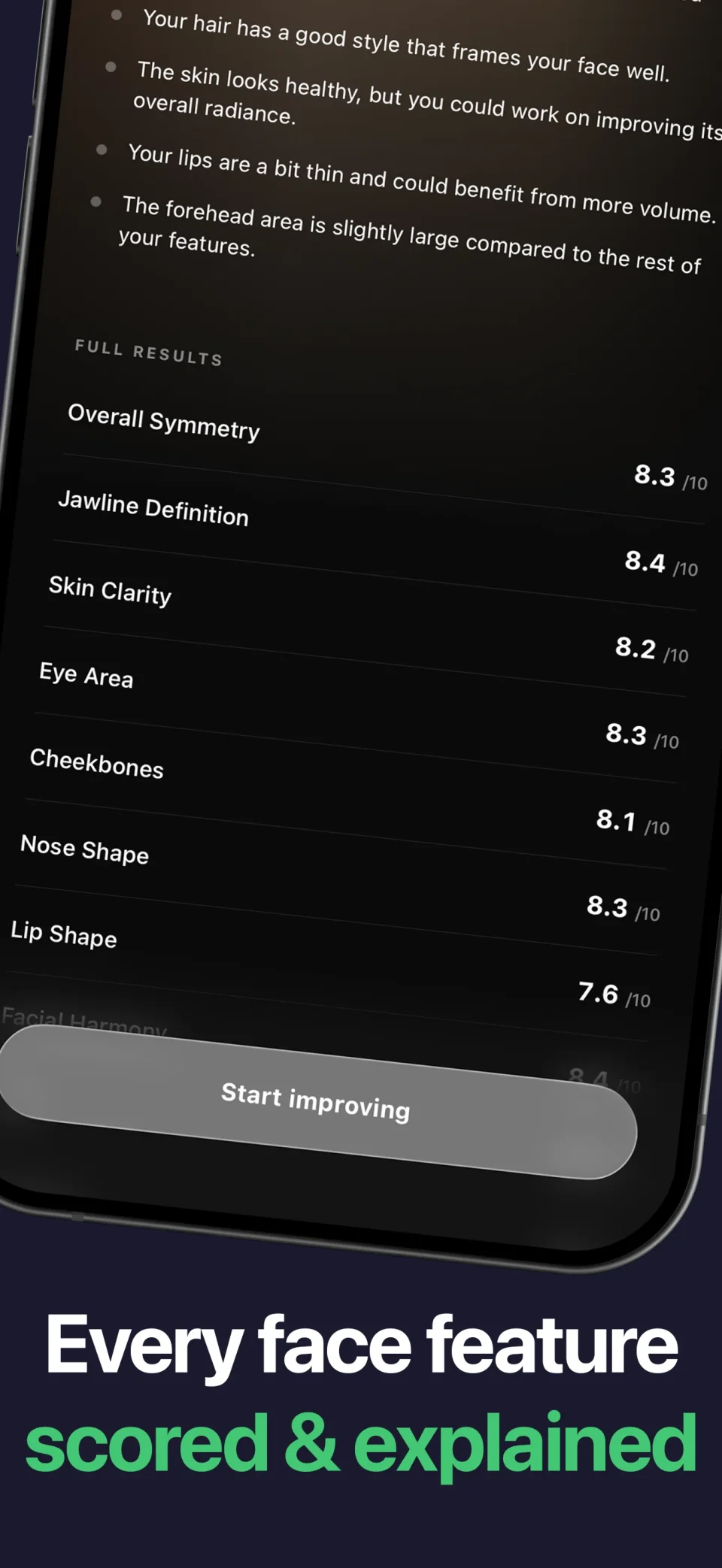
Lookist scores eyes and eye brightness as 2 of its 15 feature scores, from one front photo. Light matters more for these 2 than for most. A ceiling light casts shadows from the brow and nose into the eye area and makes circles look darker, so face a window when you scan.
The glow-up plan includes sleep reminders, the habit with the best evidence on this page. Compare scans taken in the same light to see if it shows. The canthal tilt test page shows what an eye shape report looks like.
Frequently asked questions
How can I improve my eye area?
Sleep 7 to 9 hours, cut salt and late drinks, raise your head at night, treat allergies, stop rubbing your eyes, protect your skin from sun, do not smoke and groom your brows. These change puffiness, dark circles and how the eyes are framed. Eye shape and the bone around the eyes do not change without surgery.
How do I get rid of bags under my eyes?
Puffiness from fluid goes down with a cool compress, enough sleep, a slightly raised head at night and less salt and fluid before bed. Bags from fat and loose skin that come with age or run in families do not go away with habits. Laser, peels, fillers or eyelid surgery are options to discuss with an eye doctor.
Why do I have dark circles even when I sleep enough?
Because most dark circles do not come from sleep. They are often inherited pigment, thin skin that shows blood vessels, or shadows from the tear trough. Allergies, eye rubbing and sun add to them. People with darker skin tones get them more often. A dermatologist can tell which type you have.
What is upper eyelid exposure?
Upper eyelid exposure is a looksmaxxing forum term for how much of the upper lid shows above the eye when it is open. Forums rate low exposure as part of hunter eyes. It depends mostly on bone, lid shape and brow position, so habits do not change it much. It is not a medical measurement.
What is under eye support in looksmaxxing?
Under-eye support is a forum term for how full and supported the area under the lower lid looks, which depends mostly on the cheekbone and the fat under the eye. It is not a medical term. Doctors talk about the tear trough and lower lid instead. Fillers and fat grafts there are medical procedures with real risks.
Do eye creams work for dark circles?
Some creams can lighten pigment, such as hydroquinone, azelaic acid or retinoic acid, but a 2016 review notes most were tested on another pigment condition, melasma. Creams do not remove shadows from hollows or fat. Ask a dermatologist which type of dark circle you have before you buy a treatment.
Sources and product details
- American Academy of Ophthalmology: how to get rid of bags under the eyes (checked November 7, 2026)
- Roh and Chung, 2009: infraorbital dark circles, definition, causes and treatment options (Dermatologic Surgery) (checked November 7, 2026)
- Sarkar and colleagues, 2016: periorbital hyperpigmentation, a comprehensive review (Journal of Clinical and Aesthetic Dermatology) (checked November 7, 2026)
- Freitag and Cestari, 2007: what causes dark circles under the eyes? (Journal of Cosmetic Dermatology) (checked November 7, 2026)
- NHS: allergic rhinitis (checked November 7, 2026)
- Sundelin and colleagues, 2013: cues of fatigue, effects of sleep deprivation on facial appearance (Sleep) (checked November 7, 2026)
- American Academy of Dermatology: how to select a sunscreen (checked November 7, 2026)
- Wikipedia: looksmaxxing (checked November 7, 2026)
- American Society of Plastic Surgeons: eyelid surgery risks and safety (checked November 7, 2026)
- MedlinePlus (US National Library of Medicine): eyelid disorders (checked November 7, 2026)
- Lookist on the App Store (checked November 7, 2026)
For photo handling and account controls, read our privacy policy. For an issue with Lookist, visit support.
Put your report to use
Lookist scores your eyes and eye brightness as 2 of 15 features and adds sleep reminders to your daily plan.
Download Lookist for iPhone