What does a facial symmetry score actually tell you?
A facial symmetry score estimates how closely the left and right sides of your face match in one photo. Most faces score close to even, because mild asymmetry is normal. A turned or tilted head, side light, expression and camera distance change the score. It is not a diagnosis, and it does not tell you how attractive you are.
Lookist scores symmetry as one of 15 features from one front photo, and adds notes on what the scan noticed.
Download Lookist for iPhone

How is a facial symmetry score measured?
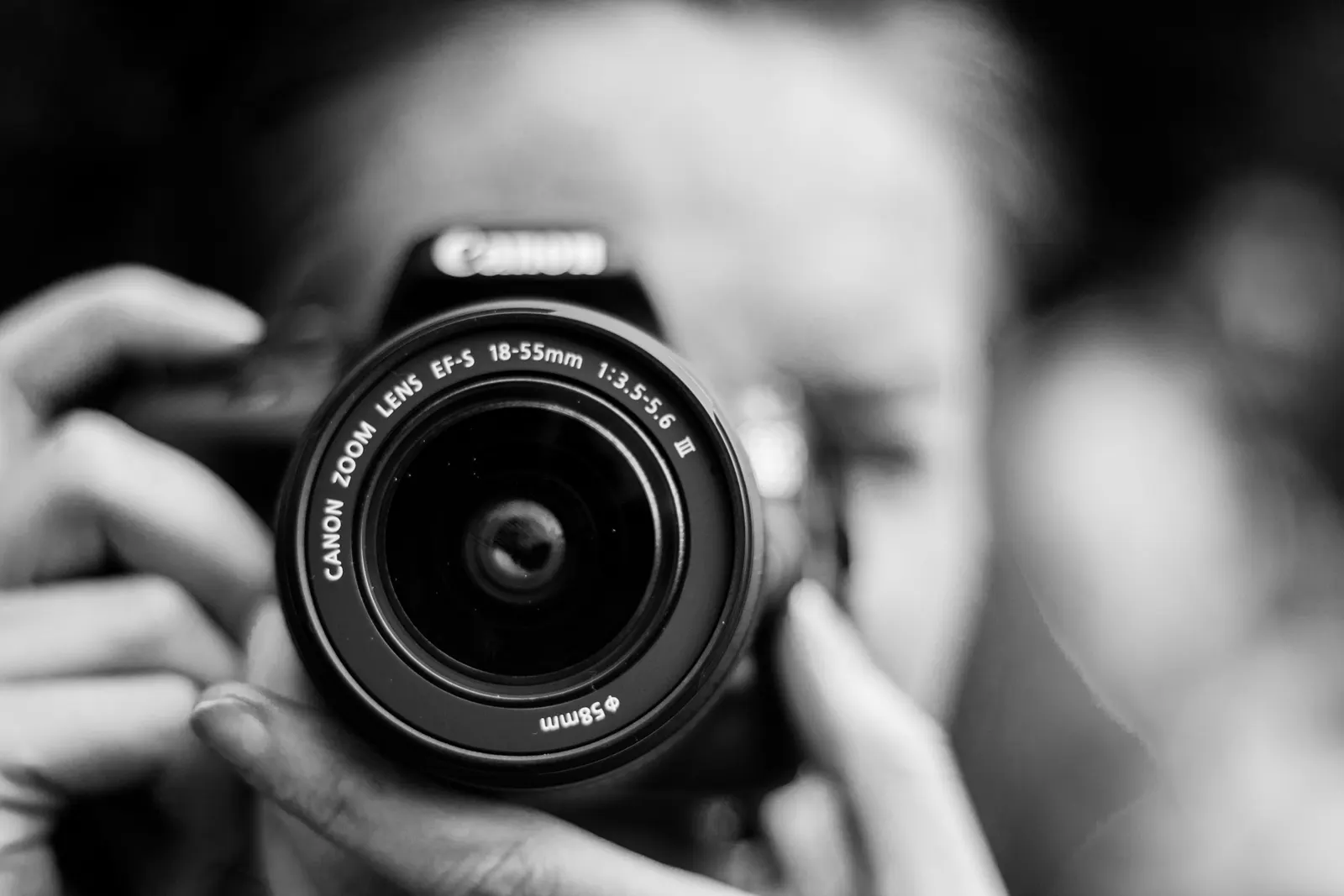
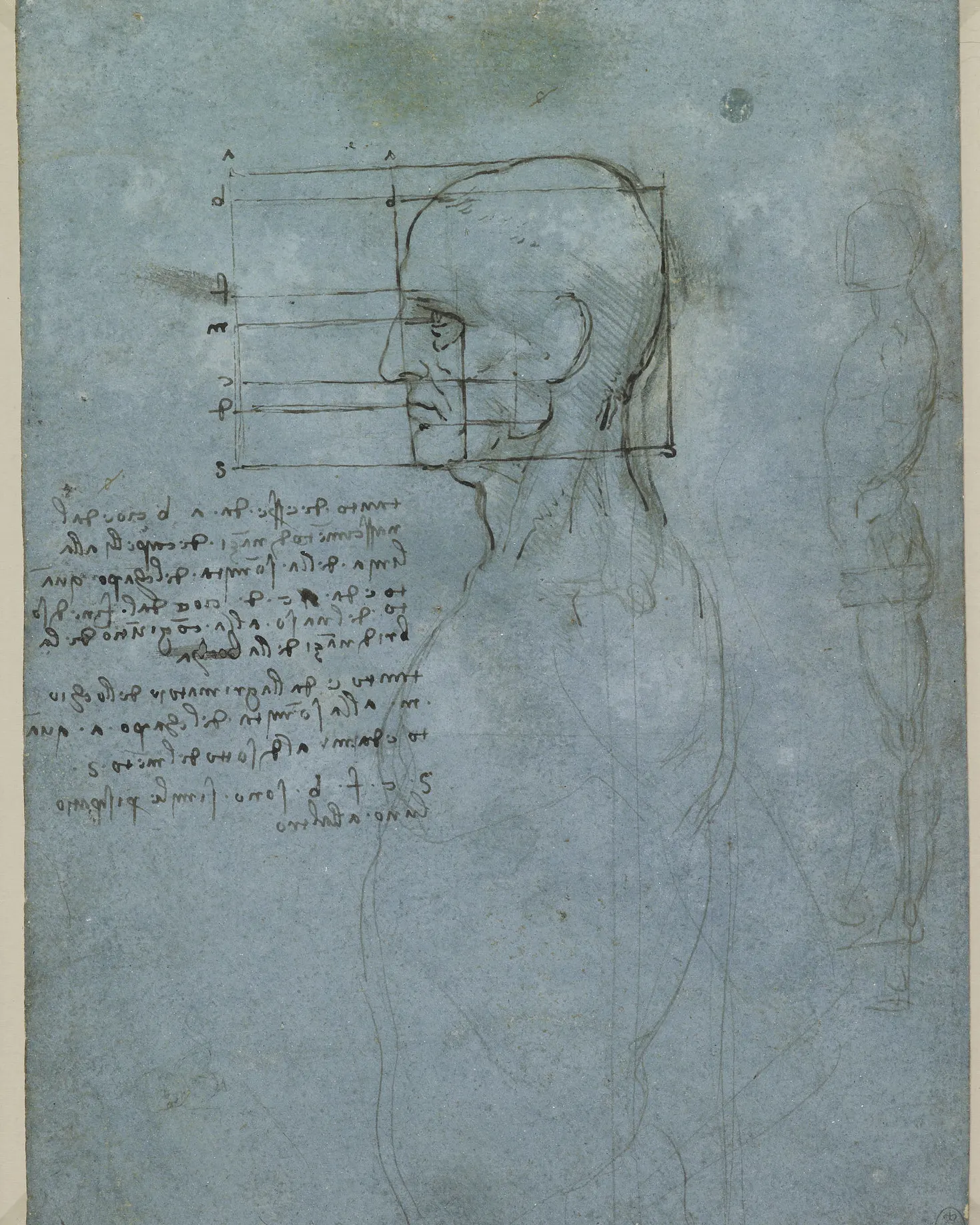
A typical symmetry check marks matching points on each side of the face: the inner and outer eye corners, the brows, the sides of the nose, the mouth corners and the jaw. It draws a midline and compares how far each pair sits from it, and how high. The closer the pairs match, the higher the score.
The score describes the photo, and the photo is not your face. A camera records one view from one position. Turn your head a little and one side looks bigger. Light from one side throws shadows on the other. So a lower score in a new photo does not mean your face became less symmetrical. Check head position, camera height, expression and anything that covers part of the face first.
What is a good facial symmetry score?
In Lookist data from the first scans of 312 people, symmetry had the highest average of all 15 features: 6.2 out of 10, with a median of 6.2. It also had the smallest spread between people, and it was the best feature for 31% of them. So a symmetry score near 6 is normal, and most faces sit close to it.
That matches the research. A 2015 review says perfect symmetry is rarely found and that mild asymmetry is normal. People notice their own asymmetry more than others do, because they look at their face from close up and in a mirror, which flips left and right.
Source: Lookist: Average face score, data from 312 real face scans
Why does my symmetry score change between photos?
Small changes in the setup move the score. These are the common ones.
- Head turn: a few degrees to one side makes the near side of the face look wider.
- Head tilt: a tilted head puts one eye and one mouth corner higher in the image.
- Side light: shadows hide the edge of the jaw and cheek on one side.
- Expression: a smile or one raised brow can lift one side of the face more than the other.
- Camera distance: at about 12 inches, a selfie makes the nose look about 30% larger than a distant view, so the centre of the face looks bigger than the sides.
- Hair, glasses and a beard line that is not even.
What determines facial symmetry?
Mostly growth. The face forms from separate parts on each side before birth and keeps growing through the teens, so the two sides rarely end up identical. The 2015 review says asymmetry can be genetic, not genetic, or a mix of the two.
Some papers point to habits such as chewing on one side, sleeping on one side of the face, or a crossbite. The same review says these ideas are hypotheses that long-term studies have not confirmed. A clear asymmetry from an injury, a joint problem or a growth condition is a matter for a dentist, orthodontist or doctor to examine.
Can you fix facial symmetry?
Not the bone, in adults, without treatment. For a large asymmetry, the 2015 review says treatment depends on age, the cause and how large the difference is, and it can range from orthodontics to jaw surgery. That is a decision for a specialist after an examination, not a response to an app score.
We found no study that shows face exercises, mewing or facial massage make adult bone more symmetrical. What you can change is what the camera sees: a level head, front light, a relaxed face, an even beard line and a haircut that does not hide one side. Sudden weakness or drooping on one side of the face is different. It can be a sign of stroke, so call 911 or your local emergency number at once.
How do I take a fair photo for a symmetry check?
Use the same setup every time, or you compare two setups instead of two faces. Do not compare a mirror image, a filtered portrait and a close selfie as if they were the same kind of photo. Scores from different apps use different scales, so a higher number in another app is not evidence that your face changed.
- Face a window so soft light falls evenly on both sides of your face.
- Hold the phone at eye height, at arm's length or further, or use a stand.
- Keep your head level and look straight into the lens. Do not turn or tilt.
- Relax your face. Do not smile, and keep your brows still.
- Pull hair back from your forehead and the sides of your face.
- Take the photo with no filter and no mirror flip.
How does symmetry fit into the whole face report?
Lookist lists symmetry separately from facial harmony, jawline, eyes and the other features, plus 3 to 7 written notes on what the scan noticed. Read the note before the number. Symmetry compares the two sides of the face. Facial harmony is about how all the features fit together. A face can score high on one and lower on the other.
A symmetry score is one input among many. A 2011 review of face research found that people usually prefer symmetric versions of a face, but that averageness, skin, how male or female a face reads and cues to personality also change ratings.

Frequently asked questions
What facial symmetry score is good?
In Lookist data from 312 first scans, the average symmetry score was 6.2 out of 10, the highest of all 15 features. A score near 6 is normal. Because mild asymmetry is normal too, a score in the 5s or 6s does not point to a problem.
How do I measure facial symmetry?
Take a straight front photo at eye height, at arm's length or further, in even front light, with a relaxed face. Mark matching points on each side, such as the eye corners and mouth corners, and compare their heights. A scan app does the same with more points.
Do facial symmetry exercises work?
We found no study that shows face exercises make adult bone more symmetrical. A relaxed face, a level head and even light change how symmetrical a face looks in a photo much more. For a large asymmetry, see a dentist, orthodontist or doctor.
Why does my face look asymmetrical in photos?
Small changes in head turn, head tilt, light and camera distance make one side look bigger or lower. A close selfie also enlarges the centre of the face. A mirror shows you a flipped image, so a normal photo can look less even than the face you know.
Is facial symmetry genetic?
Partly. A 2015 review says facial asymmetry can be genetic, not genetic, or a mix of the two. Growth through the teens, injuries and some dental conditions also play a part. Habits like chewing on one side are suggested causes that long-term studies have not confirmed.
Sources and product details
- Thiesen and colleagues, 2015: Facial asymmetry, a current review (Dental Press Journal of Orthodontics) (checked November 7, 2026)
- Ward and colleagues, 2018: Nasal distortion in short-distance photographs, the selfie effect (JAMA Facial Plastic Surgery) (checked November 7, 2026)
- Little, Jones and DeBruine, 2011: Facial attractiveness, evolutionary based research (Philosophical Transactions of the Royal Society B) (checked November 7, 2026)
- MedlinePlus: Stroke (symptoms and when to call 911) (checked November 7, 2026)
- Lookist: Average face score, data from 312 real face scans (checked November 7, 2026)
- Lookist on the App Store (checked November 7, 2026)
For photo handling and account controls, read our privacy policy. For an issue with Lookist, visit support.
Put your report to use
Lookist scores symmetry as one of 15 features from one front photo, and adds notes on what the scan noticed.
Download Lookist for iPhone