Facial harmony vs. symmetry: what is the difference?
Facial symmetry is how closely the left and right sides of a face match. Facial harmony is how well all the features fit together in size and spacing. A face can be symmetrical and still lack harmony. Research links symmetry to attractiveness, but no real face is perfectly symmetrical, and harmony has no single ideal ratio. Lookist scores the two separately.
Lookist scores symmetry and facial harmony separately from one front photo, plus 3 to 7 written notes on what the scan noticed.
Download Lookist for iPhone
What is facial symmetry?
Facial symmetry is how closely the left side of a face matches the right side. Picture a line down the middle of the face, through the nose and the chin. The more the eyes, brows, cheekbones and jaw on each side mirror each other, the more symmetrical the face is.
No real face is perfectly symmetrical. A 2015 review in an orthodontics journal says perfect symmetry is rarely found, and that mild asymmetry is normal and usually goes unnoticed by the person and the people around them. One eye a little higher or a jaw a little fuller on one side is the usual case, not a flaw.
In a photo, symmetry also depends on the camera. A turned head shows more of one side. Light from one side throws shadows on the other. So check the photo before you read a low score as a fact about your face.

What is facial harmony?
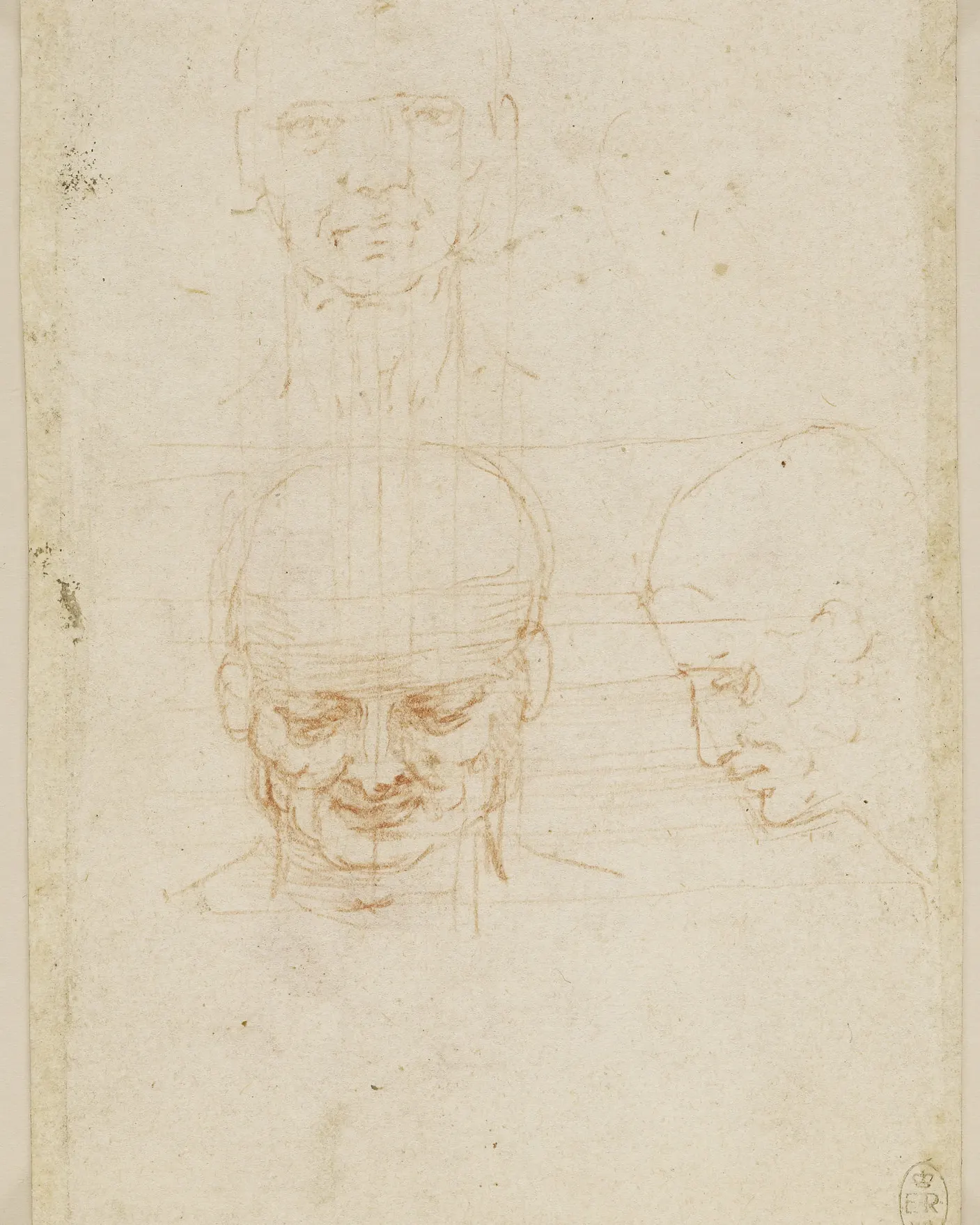
Facial harmony is how well the features of a face work together as a whole. It looks at size and spacing: how wide the eyes are set for the width of the face, how long the lower face is next to the middle, how the nose sits between the eyes and the lips. A face with average features can have strong harmony.
Take two faces that are both symmetrical. One has a long lower third and small eyes, the other has more even sections. Both pass a symmetry check. Only one reads as balanced. That gap is what a harmony score tries to describe.
On looksmaxxing forums, harmony is one of four parts of a PSL rating. A forum moderator quoted by GQ in December 2025 defined it as how well your features work together. The other three parts are dimorphism, angularity and single features.

Source: GQ, December 2025: Inside the PSL scale, the looksmaxxer rating system
What is the difference between facial harmony and symmetry?
Symmetry compares two halves of the face. Harmony compares every part with every other part. The table puts them side by side.
| Question | Facial symmetry | Facial harmony |
|---|---|---|
| What it compares | Left side with right side | Each feature with the rest of the face |
| What it looks at | Height and size of matching features on each side | Size, spacing and proportion of all features |
| Is there an ideal? | Closer to even, but perfect symmetry does not occur in real faces | No single ideal ratio. Proportions differ between groups of people |
| What changes it in a photo | Head turn, head tilt, side light, expression | Camera distance, lens, head tilt, hair over the forehead |
| Lookist average, first scans | 6.2 out of 10, the highest of 15 features | 5.9 out of 10 |
| Spread between people | Smallest of 15 features | Wider than symmetry |
Does facial symmetry make you attractive?
It helps a little, on average. A 2011 review of face research found that people usually prefer symmetric versions of a face to asymmetric ones, and some studies tie that preference to how healthy a face looks. Symmetry and averageness each raised ratings when researchers changed them one at a time.
The same review lists many other cues that change how attractive a face looks: averageness, how male or female the face reads, skin color and texture, and cues to personality. It also found large differences between the people doing the rating. Symmetry is one input among many, not the main one.
A few early studies found that people preferred asymmetric faces. Those studies made 'perfect' faces by joining one half of a face with its mirror image. The review explains that those mirror faces had unnatural proportions. Later studies with better image methods found that symmetry raised ratings.
Is there an ideal facial proportion for harmony?
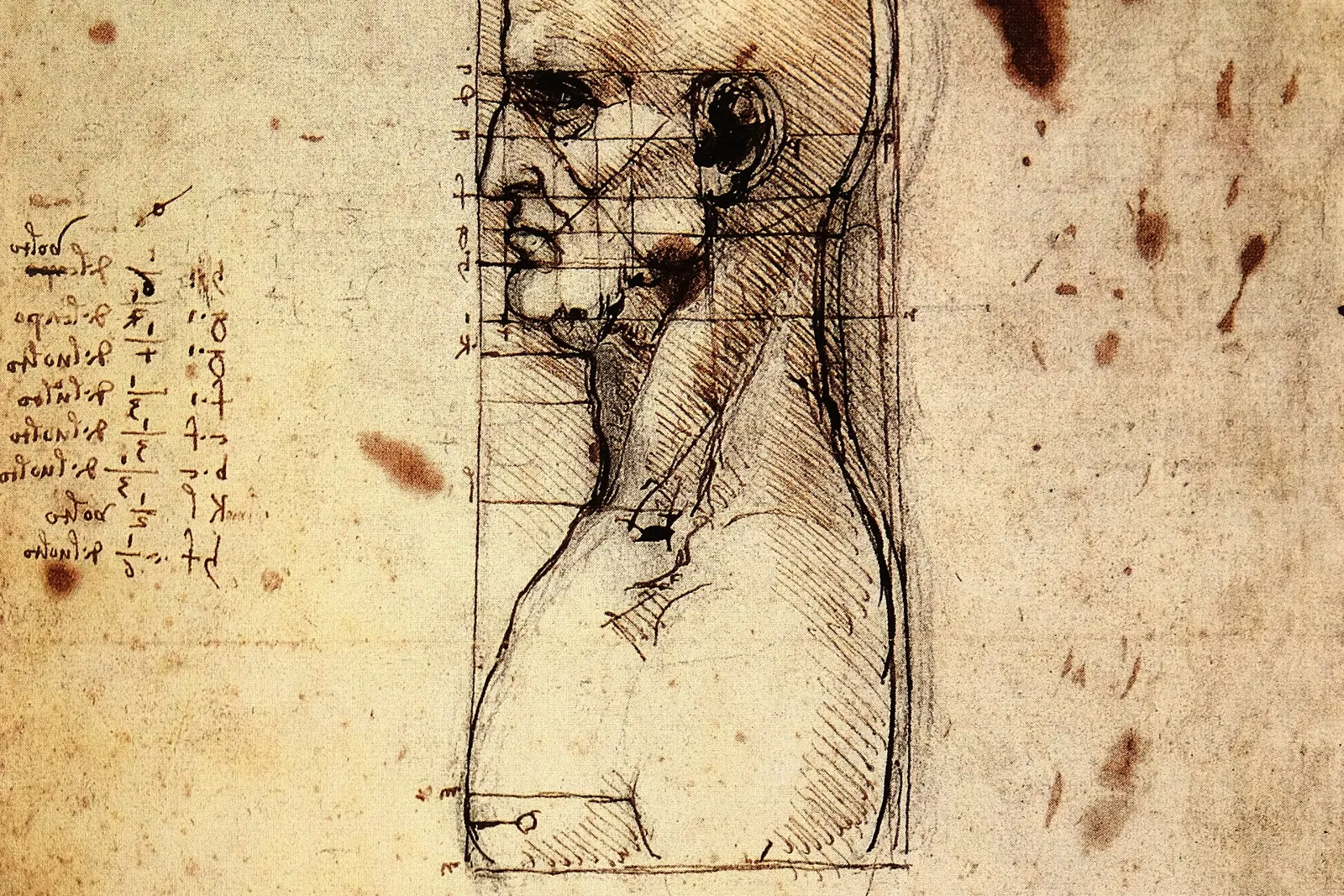
No single one. Artists drew faces split into equal thirds: hairline to brows, brows to nose, nose to chin. A 2002 study measured young adults from four groups (Chinese, Vietnamese, Thai and North American white) against those classical rules. In no group were the three sections of the face equal, and the other classical rules held for only a minority of people.
So a harmony score is not a check against one fixed ratio like the golden ratio. It describes how the features in your photo relate to each other. Two very different faces can both have strong harmony.
Why are my harmony and symmetry scores different?
Because they measure different things. A face can be very even from side to side and have one section that is long or short for the rest. The reverse is true too. A gap between the two scores does not mean the report has an error.
In Lookist data from 312 first scans, symmetry had the highest average of all 15 features and the smallest spread between people. Harmony averaged a little lower and varied more. So for most people, symmetry is not the weak point, even when it feels like it.
Read the written notes in the report first. Then check the photo: camera height, distance, light and expression. If two scans used different setups, the scores are not a fair comparison. Scores from other apps use other scales, so do not compare them with Lookist numbers.
Can you improve facial harmony or symmetry?
The bone under both scores does not change in adults without surgery. What can change is what the photo shows. A level head, soft front light, a relaxed face and a camera at arm's length give the fairest reading. A haircut that suits your face shape changes how the forehead and the face outline read. Lower body fat changes the lower face.
A harmony or symmetry score does not tell you to get a procedure or to reshape your jaw. Lookist builds a daily glow-up plan from your results with skin care, gentle hair care and sleep reminders. It does not promise to make the two sides of your face match.
Frequently asked questions
What is facial harmony?
Facial harmony is how well the features of a face fit together in size and spacing. It looks at the face as a whole: eye spacing for the face width, the length of each section, and how the nose, lips and chin relate. A face with ordinary features can still have strong harmony.
Is facial harmony more important than symmetry?
Research does not rank them. Symmetry raises attractiveness ratings on average, and most real faces are already close to symmetrical. Harmony covers more of the face, so it often explains more about why a face reads as balanced. Neither one decides how attractive a person is.
Is it normal to have an asymmetrical face?
Yes. Perfect symmetry is rarely found in real faces. Mild asymmetry is normal and usually goes unnoticed by the person and the people around them. Sudden weakness or drooping on one side of the face is different. It can be a sign of stroke, so call 911 or your local emergency number at once.
What is a good facial harmony score?
In Lookist data from 312 first scans, facial harmony averaged 5.9 out of 10 and the median was 5.8. A score near 6 is normal. Treat any score as a reading of one photo, since camera distance and head tilt change it.
Can you have facial harmony without symmetry?
Yes. Small side-to-side differences do not stop a face from reading as balanced, because harmony is about how all the features relate to each other. Almost every face has some asymmetry, attractive faces included. A large asymmetry can affect harmony, but that is not common.
Sources and product details
- Thiesen and colleagues, 2015: Facial asymmetry, a current review (Dental Press Journal of Orthodontics) (checked November 7, 2026)
- Little, Jones and DeBruine, 2011: Facial attractiveness, evolutionary based research (Philosophical Transactions of the Royal Society B) (checked November 7, 2026)
- Le, Farkas and colleagues, 2002: Proportionality in Asian and North American Caucasian faces using neoclassical facial canons (Aesthetic Plastic Surgery) (checked November 7, 2026)
- GQ, December 2025: Inside the PSL scale, the looksmaxxer rating system (checked November 7, 2026)
- MedlinePlus: Stroke (symptoms and when to call 911) (checked November 7, 2026)
- Lookist: Average face score, data from 312 real face scans (checked November 7, 2026)
- Lookist on the App Store (checked November 7, 2026)
For photo handling and account controls, read our privacy policy. For an issue with Lookist, visit support.
Put your report to use
Lookist scores symmetry and facial harmony separately from one front photo, plus 3 to 7 written notes on what the scan noticed.
Download Lookist for iPhone